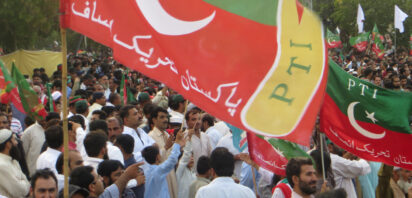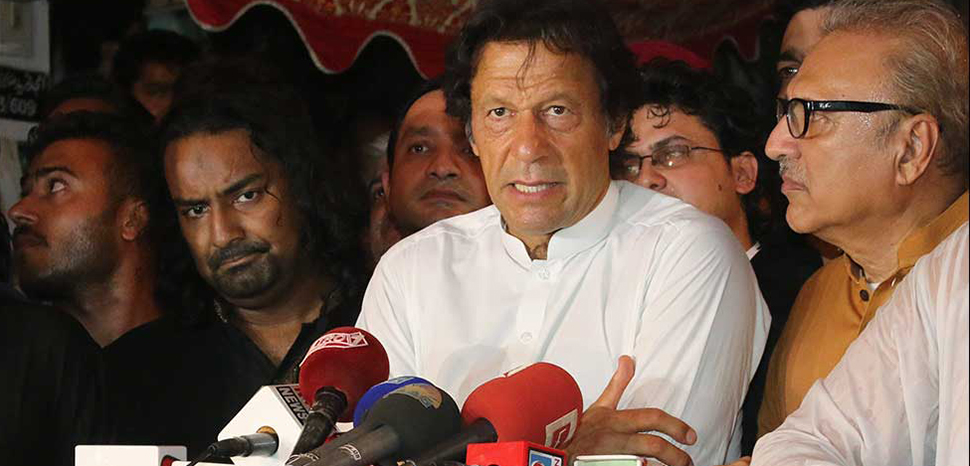
In the current tumult of Pakistan’s politics, the arrest of former Prime Minister Imran Khan and his ongoing dispute with the Pakistan military echo similar crises in the nation’s history. Having been released on bail, Khan’s bold challenge to the military has incited unprecedented levels of protests and unrest across the country. Understanding these historical episodes, specifically the military’s evolving role in governance, can shed light on the present situation.
Pakistan’s political history is marked by repeated military interventions that have shaped the administration and direction of its civilian and military institutions. Since the country’s founding in 1947, there have been three successful coups in 1958, 1977, and 1999 that serve as key reference points in understanding the civil-military dynamic. As we explore the current conflict, comparing it with these historical events and analyzing their effects on civilian institutions can provide valuable insight.
The 1958 coup, headed by General Ayub Khan, was the result of persistent political turmoil and economic stagnation. The civilian government at the time was characterized as corrupt and incapable, creating a power vacuum that the Pakistani military readily filled with little protest. Khan’s ten-year rule brought about economic reforms and societal shifts that increased the military’s role in governance. Today’s economic crisis in Pakistan bears resemblance to the conditions before the 1958 coup. However, whereas the military took power directly in 1958, it now appears to operate more subtly, preferring influence over a civilian government in lieu of an explicit takeover.
In 1977, General Zia Ul-Haq’s coup came after a disputed election, with claims of vote rigging made against former Prime Minister Zulfiqar Ali Bhutto, who was subsequently tried and executed two years after the coup for his role in the murder of a political opponent in 1974. This political environment mirrors the present situation, where allegations of political conspiracy preceded Imran Khan’s dismissal. Just as General Zia enjoyed the support of the United States following the dismissal of Bhutto, Khan similarly alleges that his ouster was the work of the military in conjunction with the United States. However, public responses to these crises have been starkly different. While the 1977 coup was met with relative indifference, the arrest of Imran Khan is distinct for the widespread protests that it sparked, indicating a more politically aware and outspoken citizenry.